Glazed Duck Breast with Root Vegetable Medley
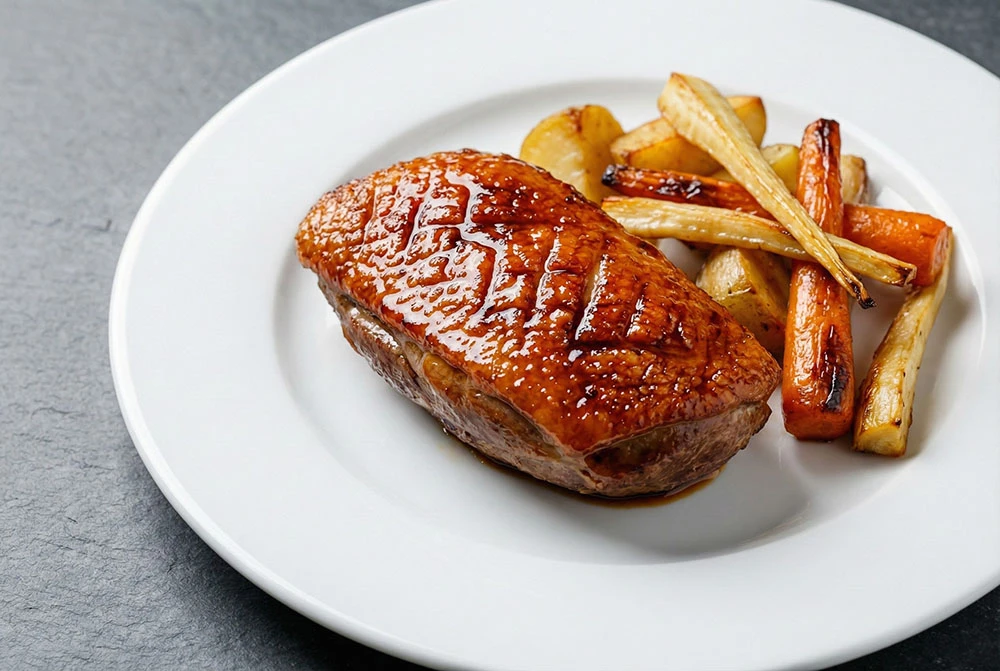
In the pursuit of culinary excellence, we often overlook the humble accompaniments, deeming them secondary to the star protein. This is a fundamental error. The quest for a truly exceptional dish, such as this Glazed Duck Breast, lies not merely in mastering the centerpiece, but in elevating every component to its highest potential. Amateur cooks often settle for boiled or steamed vegetables, a culinary compromise that betrays a lack of understanding.
Our approach, rooted in classical technique, demands that the vegetable medley be treated with the same reverence as the duck. We aim for a ‘Vichy’ style preparation – vegetables that are not just cooked, but transformed. They should be tender, imbued with their own concentrated flavors, and finished with a subtle gloss, demonstrating that even the simplest ingredients can achieve profound depth with precise execution.
This dish is a testament to that philosophy. By dedicating equal attention to the rendering of the duck fat and the careful reduction of the glaze, and by treating the root vegetables to a slow, flavorful roast, we create a harmonious symphony of textures and tastes. It’s a masterclass in balance, proving that true culinary artistry lies in the meticulous refinement of every element on the plate.
Instructions
Igniting the Foundation: Mastering the Duck and Fond
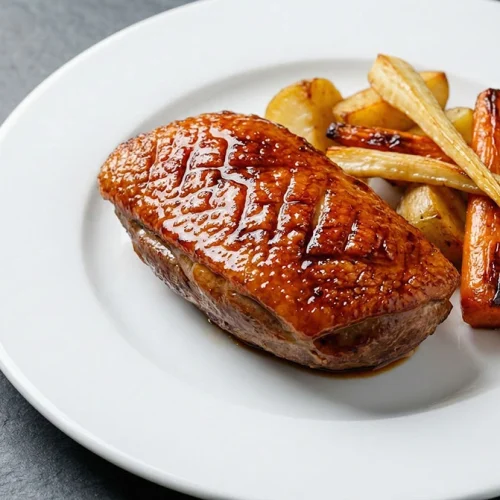
Begin by meticulously preparing your duck breasts. A thorough pat down with paper towels is paramount; moisture is the enemy of crisp skin. Season them with a confident hand, kosher salt and freshly cracked black pepper forming a robust crust. Now, here’s where the magic truly starts. Place the seasoned duck breasts, skin side down, into a *cold*, oven safe skillet. Resist the urge to preheat the pan. We’re not searing; we’re rendering. Employ medium low heat, allowing the duck’s subcutaneous fat to melt away slowly, transforming the skin into a burnished, shatteringly crisp masterpiece over 8 to 10 minutes. As this golden elixir pools, periodically pour off the excess rendered fat. Do not discard this liquid gold! Reserve it; it’s the foundation for countless future culinary triumphs.
Once the skin achieves that perfect crispness, flip the duck breasts. A brief, 1-minute sear on the flesh side is all that’s needed to build a whisper of color. Now, usher the entire skillet into your preheated 375°F (190°C) oven. Roast for a mere 5 to 7 minutes for a succulent medium rare, or adjust according to your preferred level of doneness. The aroma will begin to fill your kitchen, a promise of the richness to come. Upon removal, transfer the duck breasts to a cutting board, skin side up, and allow them to rest for a minimum of 10 minutes. This crucial resting period allows the juices to redistribute, ensuring every slice remains moist and tender – a vital step to banish the specter of dry poultry.
The Alchemist’s Glaze and Earthy Companions
While the duck rests, turn your attention to its earthy consort. In a bowl, toss your prepared root vegetables – think parsnips, carrots, and sweet potatoes – with a kiss of olive oil, a fragrant sprig of thyme, and a judicious amount of salt and pepper. Spread them in a single layer on a baking sheet and roast them in the same 375°F (190°C) oven for 25 to 30 minutes, or until they yield to the touch and exhibit a delightful caramelization. Simultaneously, embark on crafting the Glacer à Blanc. In a small saucepan, combine water and sugar. Bring this simple syrup to a simmer over medium heat, stirring only until the sugar dissolves. Patience is key here; do not rush the reduction.
Continue to simmer the sugar syrup, observing its transformation. As the water evaporates, the liquid will subtly thicken and develop a sheen. The visual cue you’re looking for is when the syrup coats the back of a spoon – a sign of its readiness. Reduce the heat to low. Now, the alchemical transformation: whisk in cold, cubed butter, one piece at a time, ensuring each addition is fully incorporated and emulsified into a glossy, luxurious glaze. This is where the pan’s fond truly shines, its essence captured. Finally, stir in a splash of fresh lemon juice. This acidity is crucial for balancing the sweetness of the glaze and cutting through the inherent richness of the duck.
The Grand Finale: Assembly and Presentation
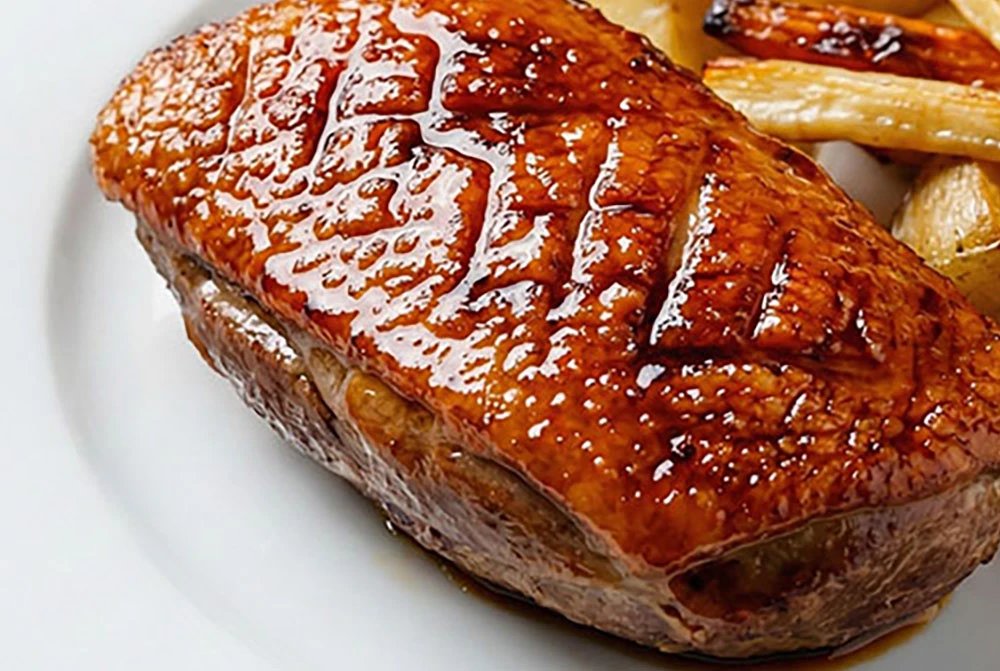
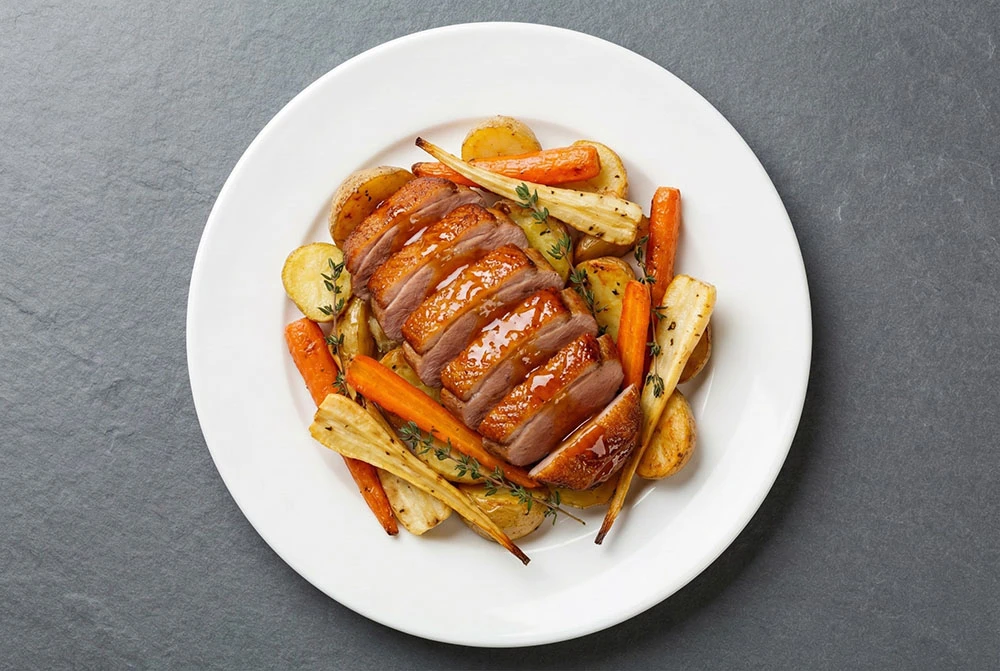
With all components ready, it’s time for the presentation. Arrange the beautifully roasted root vegetables artfully on your serving plates. Take your rested duck breasts, slice them against the grain with precision, and fan them elegantly over the bed of vegetables. Just before presenting your masterpiece, generously drizzle the shimmering Glacer à Blanc glaze over both the duck and the vegetables. This final flourish not only adds a stunning visual appeal but also ties all the elements together with its delicate sweetness and bright acidity. Remember, leftover glazed duck and vegetables can be stored separately in airtight containers in the refrigerator for up to 2 days. Reheat gently to maintain their exquisite texture.
The Chef’s Science
The heart of this dish’s sophistication lies in the Glacer à Blanc glaze, a technique that hinges on the principle of ‘reduction’ and ’emulsification’. By simmering water and sugar, we create a syrup. As the water evaporates, the sugar concentration increases, leading to a thicker, more viscous liquid. This reduction concentrates the inherent sweetness and provides the body for the glaze. The critical step is then whisking in cold butter, piece by piece, off the heat. This process is an emulsification – the fat from the butter is dispersed into the sugar syrup, creating a stable, glossy sauce. The lemon juice then acts as an acidulant, balancing the sweetness and cutting through the richness, a vital counterpoint that elevates the glaze from merely sweet to complex and palate cleansing.
Sourcing the Best
For a dish of this caliber, ingredient quality is paramount. Firstly, the duck breasts: seek out plump, well formed specimens with a thick, even layer of pristine white skin. The fat cap should be supple, not greasy or overly tough. This indicates a well raised bird and ensures optimal rendering for that coveted crisp skin. Secondly, the root vegetables – carrots, parsnips, and sweet potatoes. Opt for firm vegetables, free from soft spots or blemishes. Smaller to medium sized roots often possess a more concentrated sweetness and less woody core than their larger counterparts. Their vibrant color is a direct indicator of their flavor intensity and nutrient richness, promising a more engaging and delicious medley.
Glazed Duck Breast with Root Vegetable Medley
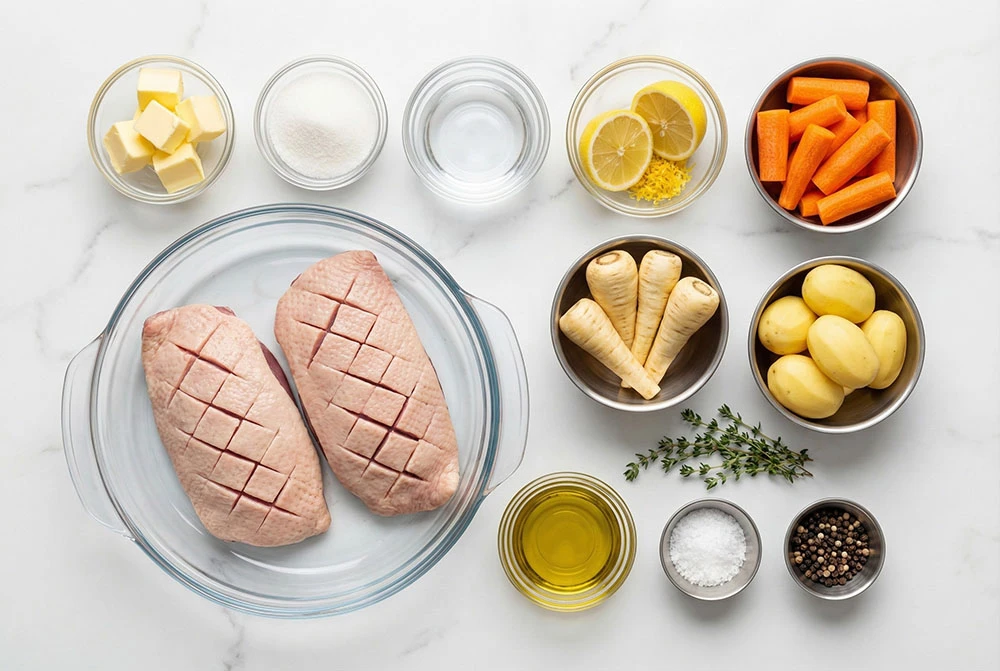
Ingredients
For the Duck
- 2 1.5 lb each Duck Breasts, skin on, scored
- 1 tsp Kosher Salt
- 1/2 tsp Freshly Ground Black Pepper
For the Glacer à Blanc Glaze
- 1/2 cup Water
- 1/4 cup Unsalted Butter cut into cubes
- 2 tbsp Granulated Sugar
- 1 tbsp Fresh Lemon Juice
For the Root Vegetable Medley
- 1 lb Mixed Root Vegetables carrots, parsnips, sweet potatoes, peeled and cut into 1-inch pieces
- 2 tbsp Olive Oil
- 1 sprig Fresh Thyme
- 1/4 tsp Kosher Salt
- Pinch of Freshly Ground Black Pepper
Instructions
- Preheat oven to 375°F (190°C).
- Pat the duck breasts thoroughly dry with paper towels. Season generously on both sides with kosher salt and black pepper.
- Place the duck breasts, skin side down, in a cold, oven safe skillet. Place the skillet over medium low heat. Allow the fat to render slowly and the skin to become golden brown and crisp, about 8-10 minutes. Pour off excess rendered fat periodically, reserving it for other uses.
- Flip the duck breasts and sear the flesh side for 1 minute. Transfer the skillet to the preheated oven and roast for 5-7 minutes for medium rare, or longer to your desired doneness. Remove duck from skillet and let rest on a cutting board, skin side up, for at least 10 minutes before slicing.
- While the duck rests, prepare the root vegetables. In a bowl, toss the prepared root vegetables with olive oil, thyme sprig, salt, and pepper. Spread in a single layer on a baking sheet and roast in the 375°F (190°C) oven for 25-30 minutes, or until tender and lightly caramelized.
- Prepare the Glacer à Blanc glaze. In a small saucepan, combine water and sugar. Bring to a simmer over medium heat, stirring until the sugar dissolves completely.
- Continue to simmer the sugar syrup. As the liquid evaporates, it will begin to thicken and turn slightly syrupy. Watch carefully. Once the syrup coats the back of a spoon and has a slight sheen, reduce heat to low.
- Whisk in the cubed butter, one piece at a time, until fully incorporated and emulsified into a glossy glaze. Stir in the lemon juice for a touch of acidity.
- Arrange the roasted root vegetables on serving plates. Slice the rested duck breasts against the grain and arrange them over the vegetables.
- Drizzle the Glacer à Blanc glaze generously over the duck breast and vegetables just before serving.
Notes
Plating & Presentation
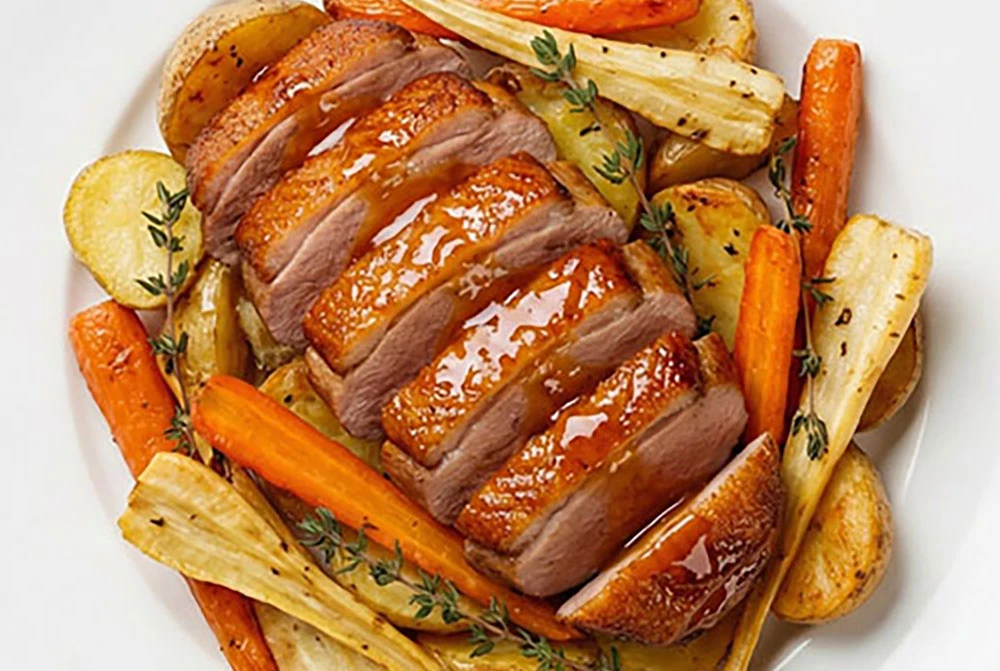
The final presentation is where technique meets artistry. Begin by arranging a generous portion of the glistening root vegetable medley artfully on one side of a pristine white ceramic plate. Ensure the vegetables are not piled high, but spread slightly to showcase their individual textures and caramelization. Next, slice the rested duck breast against the grain into elegant, uniform pieces. Fan these slices slightly over the vegetables, ensuring the beautifully rendered, crisp skin is prominently displayed. Just before serving, drizzle the glossy Glacer à Blanc glaze judiciously over both the duck and the vegetables. A final, meticulous wipe of the plate’s rim with a clean linen cloth ensures a professional, unblemished finish, signaling the care and precision that has gone into every aspect of this exquisite dish.