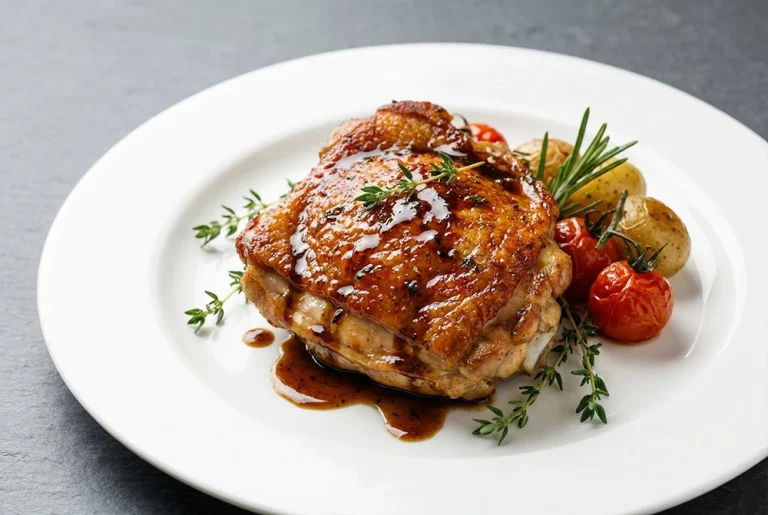
Pan Seared Chicken Breast with Lemon Herb Pan Sauce & Roasted Root Vegetables

The pursuit of culinary excellence is a journey, not a destination. For a dish as classic as Pan Seared Chicken Breast, the difference between good and exceptional lies in the meticulous attention to detail and the understanding of fundamental techniques. Many home cooks opt for convenience, purchasing pre portioned chicken, but by mastering the art of whole chicken fabrication, you unlock not only significant cost savings but also a profound sense of accomplishment and control over your ingredients. This is not merely about following a recipe; it’s about understanding the anatomy of your ingredients to coax out their absolute best, ensuring a result that speaks of true mastery.
Our approach here is precise: we begin by deconstructing the chicken, not out of necessity, but as a deliberate act of culinary precision. This allows for unparalleled control over each component, ensuring optimal searing and roasting. When the chicken is broken down with intention, each piece from the succulent breast to the robust leg quarter receives the exact heat and time it needs to reach its peak. This careful separation is the foundation upon which a truly superior dish is built, transforming a simple meal into an elegant demonstration of skill.
The accompanying lemon herb pan sauce and roasted root vegetables are not mere accompaniments; they are integral partners in this gastronomic symphony. The bright acidity of the lemon cuts through the richness of the chicken, while the earthy sweetness of the roasted roots provides a grounding counterpoint. Each element is prepared with the same exacting standards, culminating in a dish that is both comforting and sophisticated, a testament to the power of precise technique and thoughtful execution.

Instructions
The Foundation: Preparing Your Canvas
Begin by meticulously preparing your chicken. This is not a step to be rushed; it is the bedrock of a truly exceptional dish. Ensure each piece is thoroughly patted dry with paper towels. For the crispiest chicken skin, an executive chef’s secret is to allow the chicken to air dry, uncovered, in the refrigerator for a few hours prior to cooking. This seemingly small act is critical for achieving that coveted golden, shatteringly crisp exterior. Once dry, we’ll focus on the dark meat. Carefully, using a sharp chef’s knife, bone out the thighs and drumsticks, and separate the wings from the breast. The goal here is to understand the anatomy, allowing the connective tissues in the dark meat to render beautifully during the cooking process. Trim any egregious excess fat or cartilage, then season all pieces generously on all sides with kosher salt and freshly ground black pepper. Patience is your most important seasoning at this stage.
Concurrently, prepare your root vegetables. Preheat your oven to a robust 400°F (200°C). In a medium bowl, toss the cubed root vegetables with a good glug of olive oil, a pinch of salt, and a grind of black pepper. Ensure each piece is lightly coated, allowing the oil to facilitate caramelization. Spread them in a single layer on a sturdy baking sheet. Overcrowding will lead to steaming rather than roasting, so give them ample space to breathe and brown.
The Alchemy of Heat: Searing and Roasting
Now, we introduce the heat. Select a heavy, oven safe skillet – cast iron is your trusted ally here – and place it over medium high heat. Add a tablespoon of olive oil and allow it to shimmer, indicating it’s ready. Carefully lay the chicken breasts, skin side down, into the hot skillet. Listen for that satisfying sizzle; it’s the sound of transformation. Sear for 4-5 minutes, resisting the urge to move them, until the skin achieves a deep, golden brown hue and a crisp texture. Flip the breasts and sear the flesh side for another 2-3 minutes. Remove the breasts to a plate temporarily. Next, sear the leg quarters, skin side down, for 4-5 minutes until equally golden. Sear the wings for 2-3 minutes per side. Once all pieces have been seared, arrange them on the baking sheet alongside the prepared root vegetables, again, ensuring a single layer. This initial sear builds a profound depth of flavor.
Transfer the baking sheet into the preheated oven. Roast for 20-25 minutes. This is where the magic truly happens for the dark meat. The sustained heat will work on the collagen, slowly breaking it down into luscious gelatin, rendering the thighs and drumsticks incredibly succulent. The breasts will finish cooking, and the vegetables will become tender and beautifully caramelized. The target internal temperature for both breast and thigh is 165°F (74°C). Use a reliable thermometer to confirm. Once cooked, remove from the oven and allow the chicken to rest on a clean cutting board for at least 10 minutes. This resting period is non negotiable; it allows the juices to redistribute throughout the meat, ensuring a moist and tender final product.

The Symphony of Flavors: Pan Sauce and Presentation
While the chicken rests, we create the crowning glory: the pan sauce. Return the searing skillet to medium heat. Add the 2 tablespoons of butter and allow it to melt and foam. Introduce the minced shallot and sauté, stirring frequently, until it softens and becomes translucent, releasing its sweet aroma. Add the minced garlic and cook for a mere 30 seconds until fragrant – be vigilant to prevent burning. Deglaze the pan by pouring in the white wine, using a wooden spoon to scrape up all those delectable browned bits (the fond) from the bottom. Allow the wine to simmer and reduce by half, concentrating its flavor. Pour in the chicken stock – using a high-quality chicken stock will elevate your sauce immeasurably – and bring it to a gentle simmer. Let it cook for another 5-7 minutes, allowing the sauce to thicken slightly. Finally, stir in the fresh lemon juice for brightness, and the chopped parsley, thyme, and rosemary for an herbaceous finish. Season with salt and pepper to taste. The visual cue of the meat beginning to pull away cleanly from the bone on the rested dark meat is your signal that it’s ready.
To serve, arrange a generous portion of the roasted root vegetables on each plate. Place a rested chicken breast and a leg quarter atop the vegetables. The dark meat should be yielding and tender. Ladle the vibrant lemon herb pan sauce generously over the chicken, allowing it to cascade down onto the vegetables. Garnish with a few extra fresh herbs, if desired, for a final flourish. If you have any delectable leftovers, store them in an airtight container in the refrigerator for up to 3 days. Reheat gently to preserve that hard won moisture.
The Chef’s Science
The cornerstone of achieving that coveted crispy skin and perfectly cooked interior on our chicken breast is the principle of the ‘Maillard reaction,’ coupled with precise heat management. When the chicken skin, thoroughly dried, meets the hot skillet, the amino acids and reducing sugars within it undergo a complex chemical transformation. This reaction is responsible for the deep golden brown color and the development of hundreds of distinct flavor compounds, lending that irresistible savory depth. Crucially, we initiate this process by searing the skin side down over medium high heat. This intense, direct heat promotes rapid browning. Then, by transferring the chicken to a moderate oven (400°F/200°C), we allow for gentle, even cooking of the interior without scorching the exterior. The resting period that follows is equally vital; it allows the juices, agitated by the heat, to redistribute evenly throughout the meat, ensuring a moist and tender bite rather than a dry, unappealing texture. This controlled application and cessation of heat is the essence of professional cooking.

Sourcing the Best
The foundation of any great dish is the quality of its ingredients. For this Pan Seared Chicken Breast, two components stand out: the whole chicken and the aromatics for the pan sauce. When selecting your whole chicken, look for birds that are labeled ‘free range’ or ‘pastured.’ These chickens tend to have more developed muscle and a richer flavor profile due to their active lifestyle. Visually, the skin should be taut and a pale ivory or yellowish hue, indicating good fat content. Avoid chickens that appear water plumped, which can result in a less flavorful, mushy texture. For the aromatics, particularly the shallots and garlic, seek out firm, dry bulbs with no signs of sprouting or soft spots. Fresh herbs like parsley, thyme, and rosemary should be vibrant green and fragrant. Purchasing whole, high-quality ingredients and preparing them yourself is the hallmark of a chef who respects both the craft and the palate.

Pan Seared Chicken Breast with Lemon Herb Pan Sauce & Roasted Root Vegetables
Ingredients
Whole Chicken Fabrication & Seasoning
- 1 3.5-4 lb Whole Chicken, high quality, free range
- 1 tbsp Kosher Salt
- 1 tsp Freshly Ground Black Pepper
Pan Sauce
- 2 tbsp Unsalted Butter
- 1 Shallot finely minced
- 1 clove Garlic minced
- 1/2 cup Dry White Wine e.g., Sauvignon Blanc or Pinot Grigio
- 1 cup Chicken Stock high quality, low sodium
- 2 tbsp Fresh Lemon Juice
- 1 tbsp Fresh Parsley chopped
- 1 tsp Fresh Thyme leaves
- 1 tsp Fresh Rosemary finely chopped
Roasted Root Vegetables
- 1 lb Mixed Root Vegetables carrots, parsnips, sweet potatoes, peeled and cut into 1-inch pieces
- 2 tbsp Olive Oil extra virgin
- 1/2 tsp Kosher Salt
- 1/4 tsp Freshly Ground Black Pepper
Instructions
- Prepare the chicken: Pat the whole chicken thoroughly dry with paper towels. This is critical for crispy skin. Place the chicken breast side up on a clean cutting board. Using a sharp chef's knife, locate the keel bone and make a deep cut along one side of it, exposing the breast meat. Continue cutting down towards the thigh joint. Repeat on the other side of the keel bone. Separate the two breast halves from the carcass. Next, locate the thigh joint by feeling for the hip bone. Cut through the skin and down to the bone, then twist the leg until the joint pops. Slice through the joint to detach the thigh and drumstick. Repeat for the other leg. To separate the leg quarters, bend the thigh backward to break the skin and cartilage, then cut through the joint. Now, locate the wing joint where it meets the breast. Cut through the skin and joint to remove the wings. You should now have 8 pieces: 2 breasts (bone-in, skin on), 2 thighs, 2 drumsticks, and 2 wings. Trim any excess fat and cartilage from the pieces. Season all chicken pieces generously on all sides with kosher salt and freshly ground black pepper.
- Roast the vegetables: Preheat oven to 400°F (200°C). In a medium bowl, toss the prepared root vegetables with olive oil, salt, and pepper. Spread in a single layer on a baking sheet.
- Sear the chicken: Heat a large, oven safe skillet (cast iron is ideal) over medium high heat. Add 1 tablespoon of olive oil. Once the oil is shimmering, carefully place the chicken breasts, skin side down, into the hot skillet. Sear for 4-5 minutes, until the skin is deeply golden brown and crisp. Flip the chicken breasts and sear the other side for 2-3 minutes. Remove the chicken breasts from the skillet and set aside on a plate. Sear the leg quarters, skin side down, for 4-5 minutes until golden brown. Sear the wings for 2-3 minutes per side. Remove all chicken pieces from the skillet and arrange them on the baking sheet with the root vegetables, ensuring they are in a single layer and not overcrowding the pan.
- Finish cooking: Place the baking sheet with the chicken and vegetables into the preheated oven. Roast for 20-25 minutes, or until the chicken reaches an internal temperature of 165°F (74°C) in the thickest part of the breast and thigh, and the vegetables are tender and caramelized. Remove from oven and let the chicken rest on a clean cutting board for 10 minutes before serving.
- Make the pan sauce: While the chicken rests, return the skillet used for searing to medium heat. Add the 2 tablespoons of butter. Once melted, add the minced shallot and cook, stirring frequently, until softened and translucent, about 2-3 minutes. Add the minced garlic and cook for 30 seconds until fragrant, being careful not to burn it. Deglaze the pan by pouring in the white wine, scraping up any browned bits (fond) from the bottom of the skillet. Let the wine simmer and reduce by half, about 3-4 minutes. Pour in the chicken stock and bring to a simmer. Cook for another 5-7 minutes, allowing the sauce to thicken slightly. Stir in the fresh lemon juice, chopped parsley, thyme, and rosemary. Season the sauce with salt and pepper to taste.
- Serve: Arrange the roasted root vegetables on serving plates. Place a rested chicken breast and a leg quarter (thigh and drumstick) on top of the vegetables. Spoon the lemon herb pan sauce generously over the chicken. Garnish with extra fresh herbs if desired.
Notes

Plating & Presentation
The final presentation is your signature. Begin by arranging a generous portion of the glistening roasted root vegetables slightly off center on a warm, pristine white ceramic plate. Carefully place the rested chicken breast, skin side up to showcase its golden crispness, atop or slightly leaning against the vegetables. If serving leg quarters, position them artfully alongside the breast. Now, for the pan sauce: warm it gently if needed, then spoon it with intention over the chicken, allowing it to pool slightly around the base of the meat. Ensure no sauce drips mar the rim of the plate; a clean linen cloth is your best friend for wiping away any errant smudges. A final flourish of finely chopped fresh parsley or a few delicate herb sprigs can add a touch of color and freshness, completing the elevated dining experience.