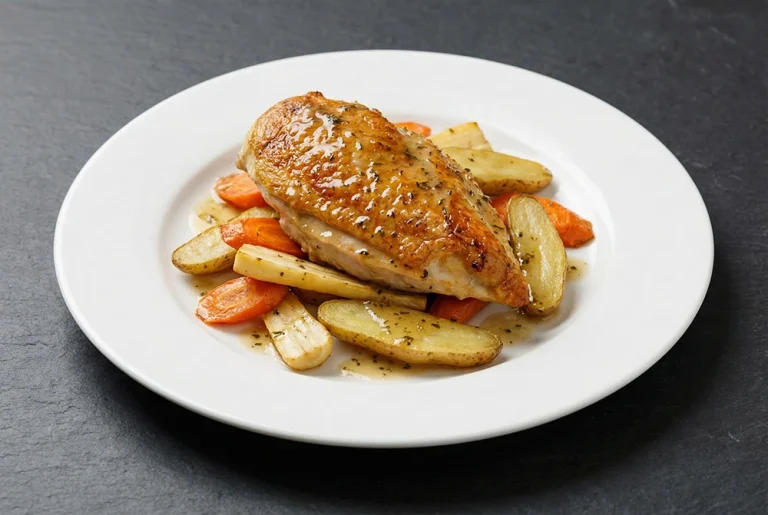
Pan Seared Chicken Thighs with Balsamic Herb Reduction Glaze
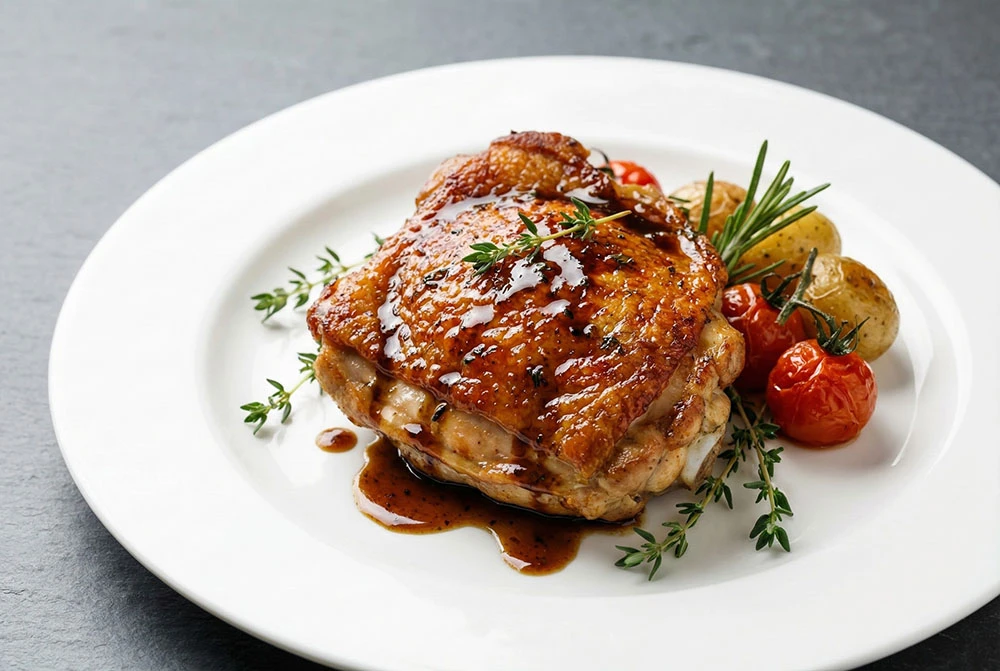
The pursuit of the perfect pan seared chicken thigh is a culinary journey, one where amateur attempts often fall short. While many home cooks might achieve a browned exterior, the true mastery lies in unlocking the profound succulence within. Our approach transcends mere cooking; it’s about orchestrating a transformation. We leverage the inherent qualities of dark meat, specifically the bone-in, skin on thigh, to coax out its deepest potential.
This method is a testament to patience and precision. The collagen, that resilient connective tissue binding the muscle fibers, is our target. Through controlled heat and time, we encourage its conversion into luscious gelatin. This isn’t a quick fix; it’s a deliberate process designed to render the meat impossibly tender, moist, and deeply flavorful, ensuring it pulls away from the bone with an elegance that speaks of true culinary understanding.
Amateur renditions often suffer from dry, stringy meat or unevenly cooked flesh. Our technique, however, ensures that every bite is a revelation. By respecting the process – from the critical drying of the skin for optimal crispiness to the gentle braising that facilitates collagen conversion – we guarantee a result that is both technically flawless and profoundly satisfying, a benchmark for what pan seared chicken should truly be.
Instructions
The Foundation: Perfecting the Poultry’s Presentation
Begin by meticulously preparing your chosen chicken thighs. For the ultimate culinary flex, we’re employing bone-in, skin on specimens – the secret to a truly decadent result. Employ paper towels with unwavering diligence to ensure the skin is bone dry; this is non negotiable for achieving that coveted, shatteringly crisp exterior. Once impeccably dry, season each thigh with a generous hand, employing kosher salt and freshly ground black pepper to all surfaces. This foundational seasoning is the bedrock of flavor.
Now, introduce a tablespoon of high-quality olive oil to a robust, oven safe skillet – cast iron is your trusted ally here. Employ medium high heat, allowing the oil to shimmer, indicating it’s reached the optimal temperature. Carefully, and with the respect due to your ingredients, lay the chicken thighs skin side down into the searing heat. Resist the urge to agitate; allow the skin to render and develop a deep, burnished golden hue, a process that should take approximately six to eight minutes. Once achieved, flip the thighs and sear the flesh side for a brief two to three minutes, just enough to kiss it with heat.
The Alchemy of Aromatics and Acidity
Retrieve the seared chicken from the skillet and set it aside momentarily. Decant all but a tablespoon of the rendered chicken fat, reserving this liquid gold. Reduce the heat beneath the skillet to medium. Introduce a tablespoon of unsalted butter, allowing it to melt and shimmer before adding finely minced shallots. Sauté them until they soften and become translucent, releasing their sweet perfume. Next, introduce minced garlic, a sprig of fresh rosemary, and a few sprigs of thyme. Cook for an additional minute, until their fragrance intensifies, but exercise caution to prevent the garlic from scorching, which would impart a bitter note.
It’s time for deglazing, a crucial step in extracting every last ounce of flavor. Pour in a splash of dry white wine, and with a wooden spoon, meticulously scrape the bottom of the skillet, liberating the caramelized browned bits – the fond – that cling tenaciously. Allow this mixture to simmer and reduce by half, a process that should take about two to three minutes. This concentrates the wine’s essence and forms the initial layer of our exquisite reduction.
The Braise and the Brilliant Reduction
Introduce the chicken stock and balsamic vinegar to the skillet, bringing the liquid to a gentle simmer. Carefully return the seared chicken thighs to the pan, nestling them skin side up into the aromatic liquid. Ensure the braising liquid reaches about halfway up the sides of the chicken, creating an environment for even cooking. Transfer the entire skillet to a preheated oven set at 350°F (175°C). Allow the chicken to braise for twenty to twenty five minutes, or until it reaches an internal temperature of 165°F (74°C), ensuring it is cooked through and exquisitely tender.
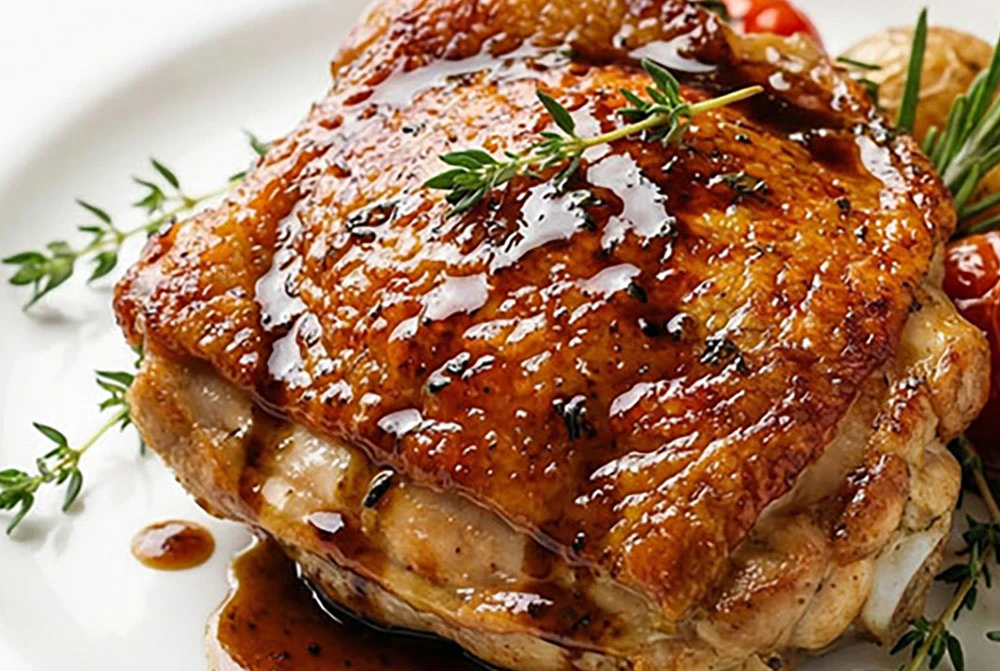
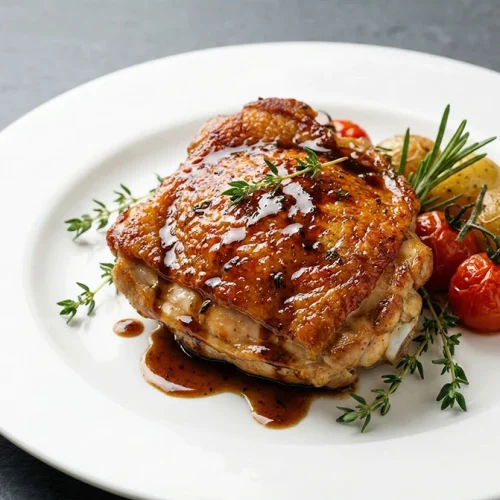
Remove the skillet from the oven with care and transfer the chicken thighs to a clean plate, loosely tenting them with foil to retain their warmth. Discard the spent rosemary and thyme sprigs. Now, return the skillet to the stovetop over medium high heat. Bring the braising liquid to a vigorous simmer. Whisk in a dollop of Dijon mustard and a touch of honey, if you desire a hint of sweetness. Continue to simmer, stirring frequently, until the liquid thickens to a nappe consistency – it should beautifully coat the back of a spoon and leave a distinct trail when you draw your finger through it. This may take five to eight minutes, and patience here is paramount for a restaurant quality glaze. Finally, taste and adjust seasoning with salt and pepper as needed, then stir in a generous amount of freshly chopped parsley. Return the chicken to the skillet and spoon this glossy, magnificent reduction generously over each piece. Serve immediately, a testament to your mastery.
The Chef’s Science
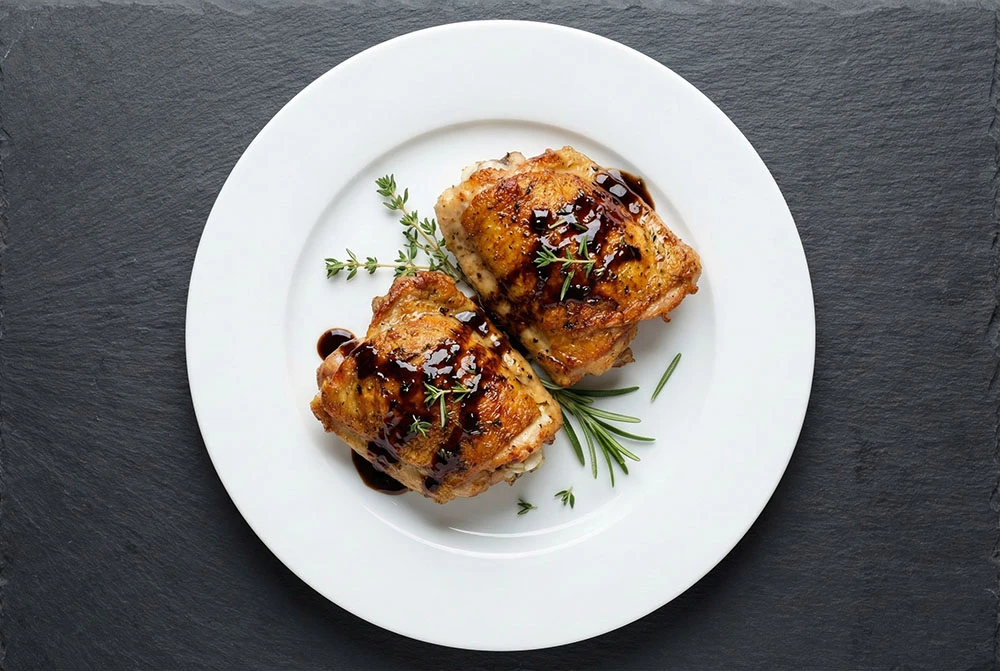
The heart of this dish’s sublime texture lies in ‘The Collagen Conversion,’ a principle fundamental to braising and slow cooking dark meats. Chicken thighs are rich in collagen, a tough protein that, when subjected to moist heat over time (as in the oven braising stage), breaks down into gelatin. This gelatin acts as a natural tenderizer and adds a luxurious mouthfeel, transforming the sinewy connective tissue into a rich, succulent coating for the muscle fibers. The final reduction then expertly captures this rendered goodness, creating a glossy glaze that amplifies the chicken’s inherent flavors and moisture. This scientific transformation is precisely why bone-in, skin on thighs are superior for this application; they provide the necessary structure and fat content to support this process, yielding a result far superior to leaner, boneless cuts.
Sourcing the Best
For this dish, the quality of your chicken thighs is paramount. Opt for bone-in, skin on thighs that are roughly uniform in size, ideally between 6 to 8 ounces each. Look for vibrant, pinkish flesh and skin that appears taut and free of excessive moisture or bruising. This indicates freshness and healthy fat distribution, crucial for achieving that coveted crispy skin and juicy interior. Secondly, the balsamic vinegar is a star player in our reduction. Seek out a good quality, aged balsamic vinegar. It should be syrupy, with a deep, complex flavor profile that balances sweetness and acidity. Avoid thin, harsh vinegars; a true balsamic will have a viscosity that hints at its concentrated flavor, elevating the glaze from merely tangy to richly nuanced.
Pan Seared Chicken Thighs with Balsamic Herb Reduction Glaze
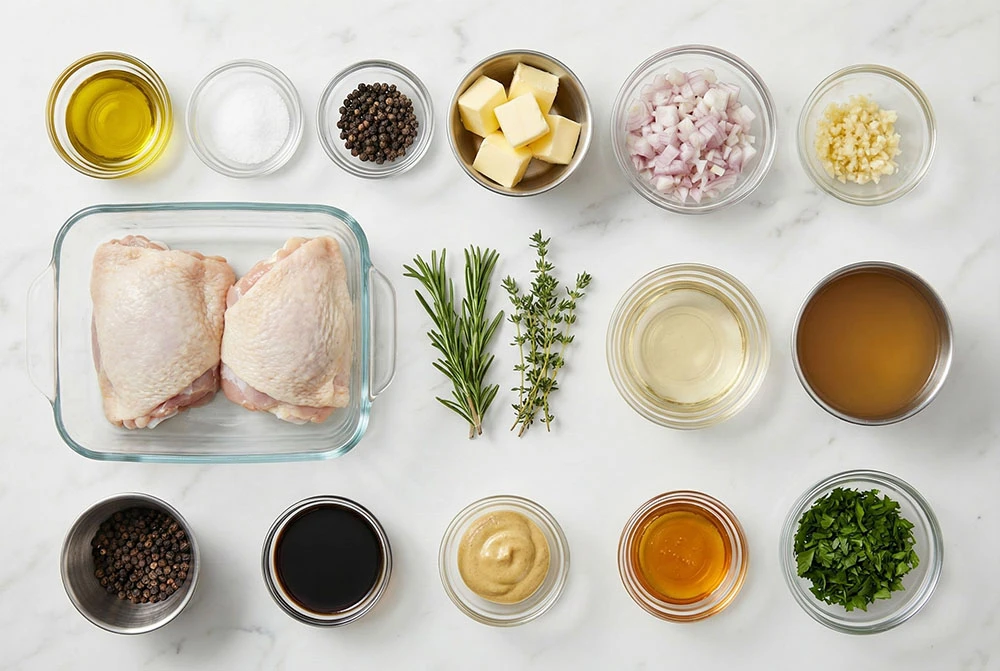
Ingredients
Chicken and Marinade
- 4 each Bone-in skin on chicken thighs (approx. 6-8 oz each)
- 2 tbsp Olive oil
- 1 tsp Kosher salt
- 1/2 tsp Freshly ground black pepper
Aromatics and Mirepoix
- 1 tbsp Unsalted butter
- 1 medium Shallot finely minced
- 2 cloves Garlic minced
- 1 sprig Fresh rosemary
- 2 sprigs Fresh thyme
Braising Liquid and Reduction Glaze
- 1/2 cup Dry white wine like Pinot Grigio or Sauvignon Blanc
- 1 cup Low-sodium chicken stock
- 1/4 cup Balsamic vinegar
- 1 tbsp Dijon mustard
- 1 tsp Honey optional, for sweetness balance
- 1 tbsp Fresh parsley chopped (for finishing)
Instructions
- Pat the chicken thighs thoroughly dry with paper towels. This is crucial for achieving a crispy skin. Season generously on all sides with kosher salt and freshly ground black pepper.
- Heat 1 tablespoon of olive oil in a heavy bottomed, oven safe skillet (cast iron is ideal) over medium high heat until shimmering. Carefully place the chicken thighs skin side down in the hot skillet. Sear for 6-8 minutes, undisturbed, until the skin is deeply golden brown and crispy. Flip and sear the other side for 2-3 minutes.
- Remove the chicken thighs from the skillet and set aside on a plate. Pour off all but 1 tablespoon of rendered chicken fat from the skillet. Reduce the heat to medium.
- Add 1 tablespoon of unsalted butter to the skillet. Once melted, add the minced shallot and sauté for 2-3 minutes until softened and translucent. Add the minced garlic, rosemary sprig, and thyme sprigs, and cook for an additional minute until fragrant, being careful not to burn the garlic.
- Deglaze the pan by pouring in the dry white wine. Scrape the bottom of the skillet with a wooden spoon to loosen any browned bits (the fond). Let the wine simmer and reduce by half, about 2-3 minutes.
- Add the chicken stock and balsamic vinegar to the skillet. Bring to a simmer. Return the seared chicken thighs to the skillet, skin side up, nestling them into the liquid. Ensure the liquid comes about halfway up the sides of the chicken.
- Transfer the skillet to a preheated oven at 350°F (175°C). Braise for 20-25 minutes, or until the chicken is cooked through and tender (internal temperature of 165°F or 74°C).
- Remove the skillet from the oven. Carefully transfer the chicken thighs to a clean plate and tent loosely with foil to keep warm. Discard the rosemary and thyme sprigs.
- Place the skillet over medium high heat on the stovetop. Bring the braising liquid to a vigorous simmer. Whisk in the Dijon mustard and honey (if using). Continue to simmer and reduce the liquid, stirring frequently, until it thickens to a nappe consistency - it should coat the back of a spoon and leave a distinct trail when you run your finger through it. This will take approximately 5-8 minutes.
- Taste the reduction and adjust seasoning with salt and pepper if necessary. Stir in the fresh chopped parsley.
- Return the chicken thighs to the skillet and spoon the glossy reduction glaze generously over each piece. Serve immediately.
Notes
Plating & Presentation
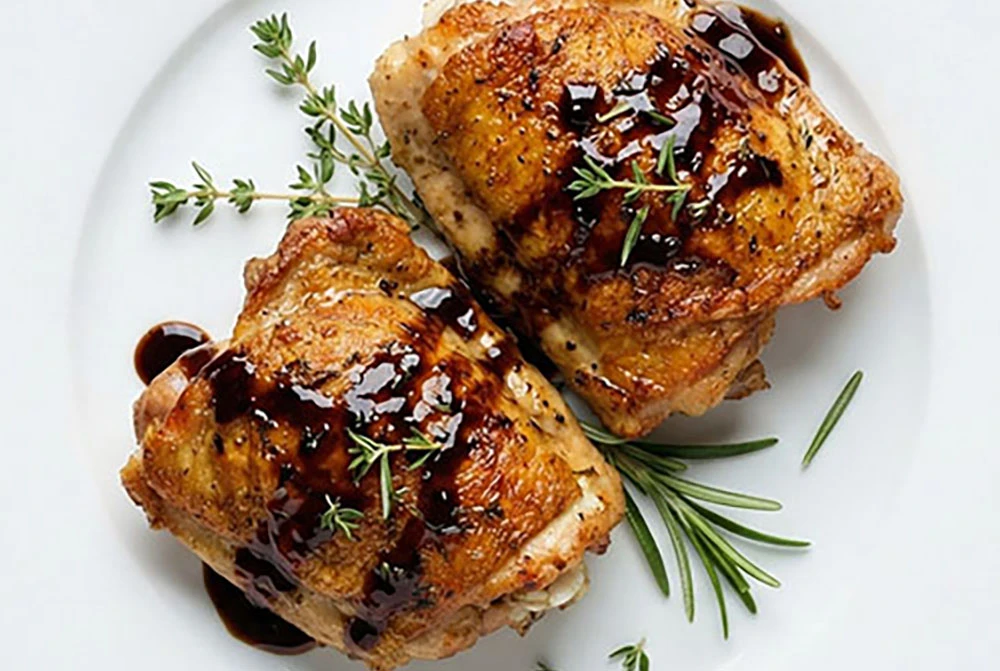
To present these exquisite chicken thighs, begin by carefully transferring each piece to a warm, pristine white ceramic plate. Ensure the skin side is facing up, showcasing its golden brown crispness. Spoon the glossy balsamic herb reduction generously over the top of each thigh, allowing it to cascade slightly down the sides. The goal is a glistening finish that highlights the glaze’s nappe consistency. For an elegant touch, use a clean paper towel to meticulously wipe the rim of the plate, removing any stray droplets or smudges. A final scattering of fresh, finely chopped parsley adds a vibrant contrast in color and a hint of freshness. Serve immediately while the chicken is hot and the glaze is at its most luminous.