Pan Seared Halibut with Lemon Herb Emulsion and Chilled Vegetable Medley
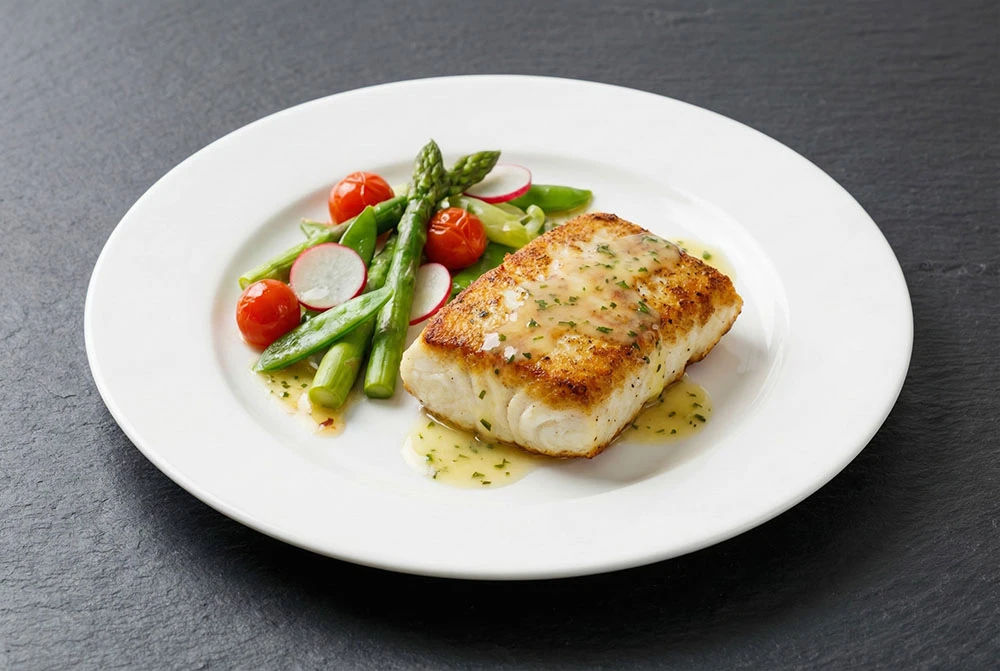
In the pursuit of culinary excellence, we often encounter dishes that, in less skilled hands, can become muddled. Pan seared halibut, a canvas of delicate flavor, is one such dish. Amateurs might find themselves with overcooked fish swimming in a greasy, cloudy sauce, accompanied by limp vegetables. This is not a failure of the ingredients, but a failure of technique. Our approach, however, elevates this humble preparation into a masterclass of purity and precision.
The secret lies in understanding the underlying principles that govern flavor and texture. We are not merely cooking; we are orchestrating a symphony of controlled reactions. Each step, from the meticulous degreasing of the emulsion to the precise searing of the halibut, is designed to strip away the superfluous and amplify the essential. This is the essence of ‘Consommé Clarity’ applied not to soup, but to the very soul of a composed plate.
By embracing techniques that refine rather than mask, we achieve a result that is both visually stunning and profoundly delicious. The clarity of the lemon herb emulsion, the vibrant integrity of the chilled vegetables, and the perfectly seared halibut converge to create an experience that speaks of quiet confidence and impeccable taste. This is the mark of a professional kitchen, brought to your home.
Instructions
The Foundation: A Pristine Emulsion
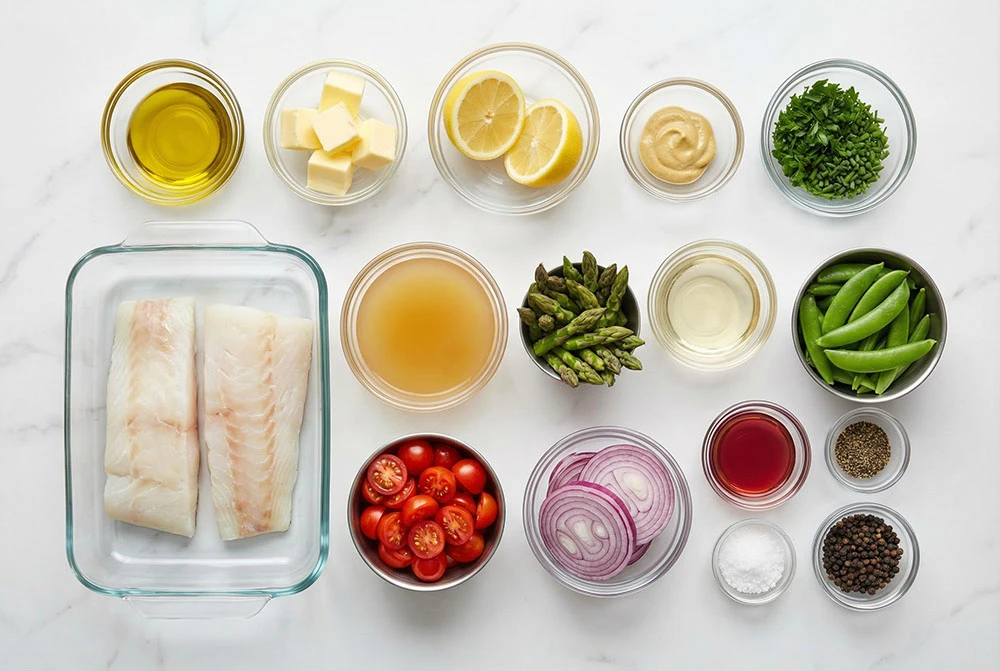
Begin by crafting the heart of our dish: a vibrant lemon herb emulsion. In a modest saucepan, unite the chicken or fish stock with a splash of dry white wine. Gently coax this mixture to a simmer, allowing it to reduce by half, a patient process that should take approximately ten to twelve minutes. The goal is to concentrate the flavors. Strain this fragrant liquid into a heatproof bowl and commit it to the chilling embrace of the refrigerator. This crucial dégraisser step, as any seasoned professional knows, is paramount. Allow it to become thoroughly chilled, until any trace of fat has solidified on the surface. With utmost care, employ a spoon to meticulously skim and discard this solidified fat. This meticulous removal ensures a clean, light emulsion, a cornerstone of our refined, health conscious approach.
Once the degreased liquid has reached its optimal chill, it’s time to build the emulsion. Whisk in the sharp tang of Dijon mustard and the bright acidity of fresh lemon juice. Then, with a slow, unwavering stream, gradually incorporate the extra virgin olive oil, whisking continuously. This patient emulsification will yield a silken, light sauce. Fold in the finely chopped fresh parsley and chives, their verdant aroma a promise of freshness. A whisper of cayenne pepper adds a subtle warmth. Season judiciously with salt, tasting as you go. Allow this emulsion to rest at room temperature for approximately ten minutes before serving; this tempering is key to achieving the perfect consistency and allowing the flavors to meld.
Harmony of the Garden: The Chilled Medley
Prepare to showcase the season’s finest with a vibrant chilled vegetable medley. In a medium bowl, delicately combine the blanched asparagus tips, tender green beans, crisp sugar snap peas, halved cherry tomatoes bursting with sweetness, and finely diced red onion, its bite a welcome contrast. For the dressing, whisk together two tablespoons of fine extra virgin olive oil and a touch of red wine vinegar in a small bowl. Pour this bright vinaigrette over the assembled vegetables, tossing gently to ensure each element is lightly coated. Season with salt and freshly ground black pepper to your preference. Cover and chill this medley until it’s time for service, allowing the flavors to marry and the vegetables to achieve a refreshing crispness. The vegetable medley is best enjoyed the day it is prepared, preserving its peak texture and vitality.
The Star’s Entrance: Perfecting the Halibut
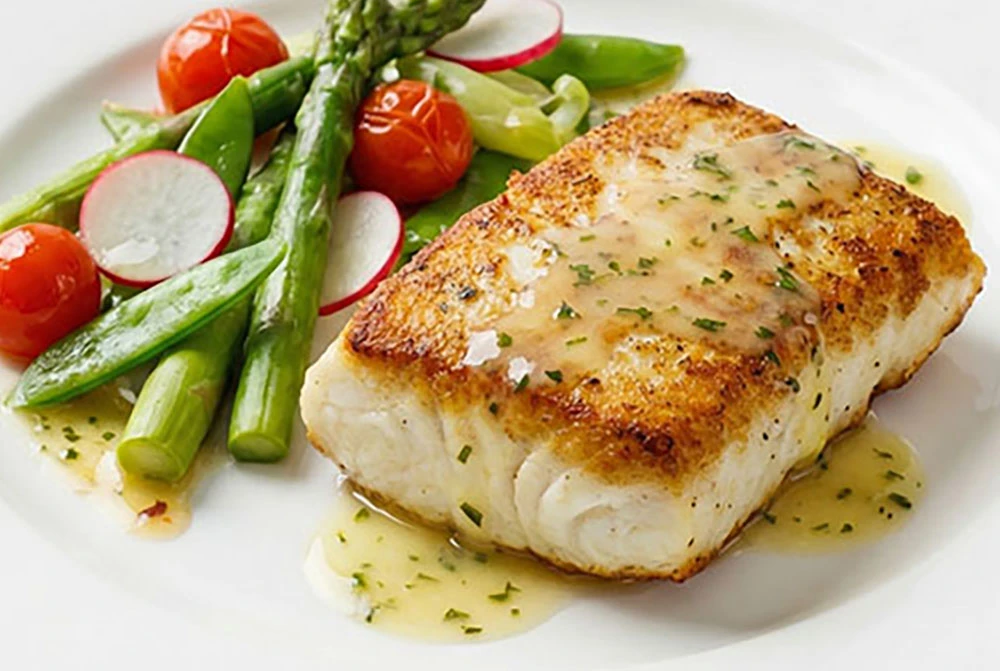
The halibut, a jewel of the sea, demands respect and precise technique. Begin by patting the fillets meticulously dry with paper towels. This step is non negotiable for achieving that coveted, golden brown crust – the hallmark of a perfectly seared fish. Season both sides generously with sea salt and freshly ground black pepper, allowing the simple purity of these seasonings to enhance the fish’s natural flavor. In a large, heavy bottomed skillet, heat two tablespoons of olive oil over medium high heat until it shimmers, indicating it’s ready for action. Carefully lay the halibut fillets into the hot pan, presentation side down. Resist the urge to move them; allow them to sear undisturbed for three to four minutes, until a beautiful, deep golden crust has formed. This patience is rewarded with texture and flavor.
With a confident flip, turn the halibut fillets. Now, introduce one tablespoon of unsalted butter to the skillet. As the butter melts and begins to foam, baste the fish continuously with the fragrant liquid for another three to four minutes. The goal is to cook the fish through to its ideal state, where it flakes effortlessly with the gentle touch of a fork. For absolute precision, the internal temperature should register between 130-135°F (54-57°C). Serving is an artful presentation: spoon a generous portion of the chilled vegetable medley onto each plate. Gently place the perfectly seared halibut fillet atop the vibrant greens. Finally, artfully drizzle the prepared lemon herb emulsion around the fish and vegetables, a final flourish of elegance. Serve immediately, allowing your guests to experience the pristine quality of the ingredients at their absolute best.
The Chef’s Science
The cornerstone of this dish’s refined character is the ‘dégraisser’ technique applied to the lemon herb emulsion. This process is a sophisticated form of fat separation, far beyond the simple skimming an amateur might attempt. We begin by reducing the stock and wine, concentrating their flavors. Crucially, this reduction is then chilled thoroughly. Proteins and other solids in the stock will coagulate and precipitate, while fats will solidify and rise to the surface. By carefully removing this solidified fat, we achieve a level of purity that is impossible through conventional methods. The subsequent emulsification with olive oil is then exceptionally stable and clean tasting, as there is no residual fat interfering with the delicate balance of flavors. This scientific approach ensures the emulsion is light, vibrant, and complements, rather than overwhelms, the delicate halibut.
Sourcing the Best
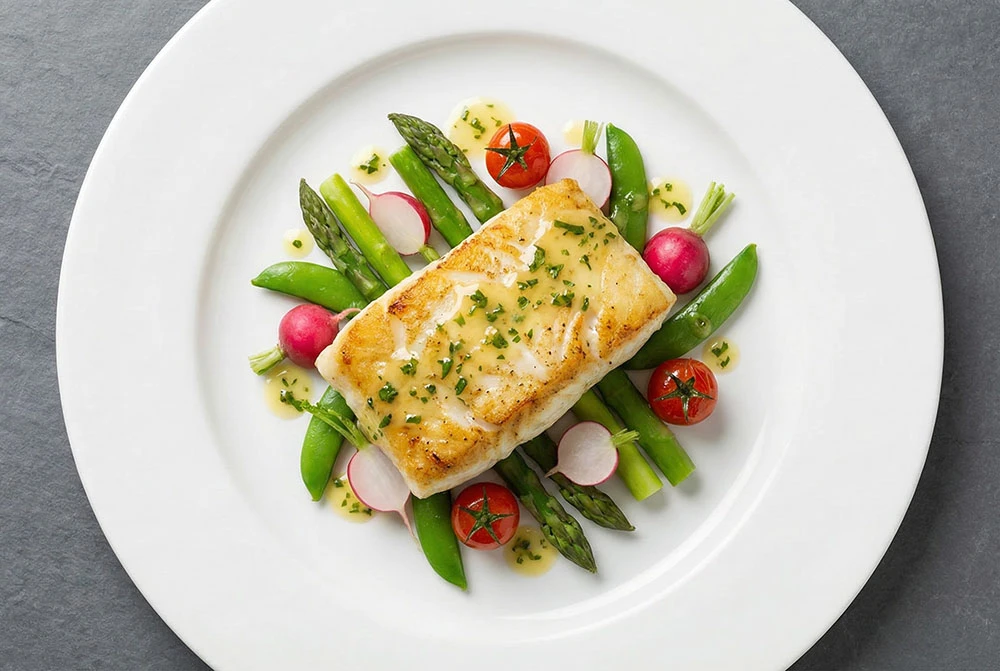
For this dish, the quality of the halibut is paramount. Seek out thick, firm fillets, ideally ‘steak cut,’ with a pearlescent sheen and no discoloration around the edges. Fresh halibut should smell clean and oceanic, not ‘fishy.’ For the vegetables, particularly the asparagus, green beans, and sugar snap peas, look for vibrant, unblemished specimens. They should be crisp to the touch, indicating a recent harvest. For the lemon herb emulsion, use fresh, unwaxed lemons; their zest and juice will be more potent and aromatic. Opting for these high-quality ingredients is the first step in achieving a restaurant caliber result.
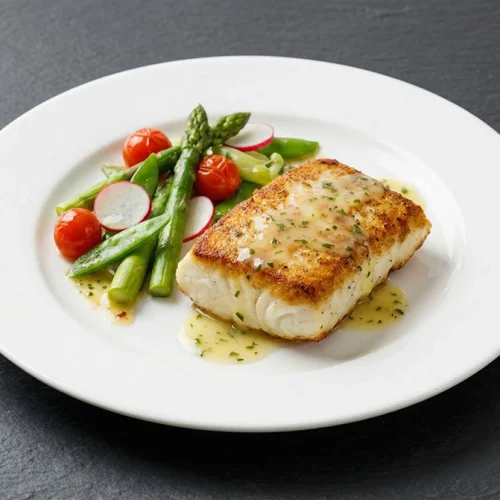
Pan Seared Halibut with Lemon Herb Emulsion and Chilled Vegetable Medley
Ingredients
For the Halibut
- 4 6 oz halibut fillets, skin removed
- 2 tbsp olive oil
- 1 tbsp unsalted butter
- Salt to taste
- Freshly ground black pepper to taste
For the Lemon Herb Emulsion (Dégraisser Technique)
- 2 cups high-quality chicken or fish stock
- 1/4 cup dry white wine e.g., Sauvignon Blanc
- 2 tbsp fresh lemon juice
- 1 tsp Dijon mustard
- 2 tbsp extra virgin olive oil
- 1 tbsp finely chopped fresh parsley
- 1 tsp finely chopped fresh chives
- Pinch of cayenne pepper
- Salt to taste
For the Chilled Vegetable Medley
- 1 cup blanched asparagus tips
- 1 cup blanched green beans trimmed
- 1 cup blanched sugar snap peas strings removed
- 1/2 cup cherry tomatoes halved
- 1/4 cup finely diced red onion
- 2 tbsp extra virgin olive oil
- 1 tbsp red wine vinegar
- Salt to taste
- Freshly ground black pepper to taste
Instructions
- Prepare the Lemon Herb Emulsion: In a small saucepan, combine the chicken or fish stock and white wine. Bring to a simmer and cook until reduced by half, about 10-12 minutes. Strain the liquid into a heatproof bowl and place it in the refrigerator until completely chilled and any fat has solidified on the surface. Carefully spoon off and discard all solidified fat. This is the crucial dégraisser step.
- Once the degreased liquid is chilled, whisk in the Dijon mustard and lemon juice. Gradually whisk in the extra virgin olive oil in a slow, steady stream to create a light emulsion. Stir in the chopped parsley, chives, and cayenne pepper. Season with salt to taste. Set aside at room temperature for 10 minutes before serving to slightly temper.
- Prepare the Chilled Vegetable Medley: In a medium bowl, gently combine the blanched asparagus tips, green beans, sugar snap peas, halved cherry tomatoes, and diced red onion. In a small bowl, whisk together 2 tbsp extra virgin olive oil and red wine vinegar. Pour over the vegetables and toss to coat. Season with salt and pepper to taste. Chill until ready to serve.
- Prepare the Halibut: Pat the halibut fillets completely dry with paper towels. This is essential for achieving a good sear. Season generously on both sides with salt and freshly ground black pepper.
- Heat 2 tbsp olive oil in a large, heavy bottomed skillet over medium high heat until shimmering. Carefully place the halibut fillets into the hot skillet, presentation side down. Sear for 3-4 minutes without moving, until a golden brown crust forms.
- Flip the halibut fillets. Add 1 tbsp unsalted butter to the skillet. Baste the fish with the melting butter for another 3-4 minutes, or until the fish is cooked through and flakes easily with a fork. The internal temperature should reach 130-135°F (54-57°C).
- To serve, spoon a generous amount of the chilled vegetable medley onto each plate. Gently place a pan seared halibut fillet on top of the vegetables. Drizzle the lemon herb emulsion artfully around the fish and vegetables. Serve immediately.
Notes
Plating & Presentation
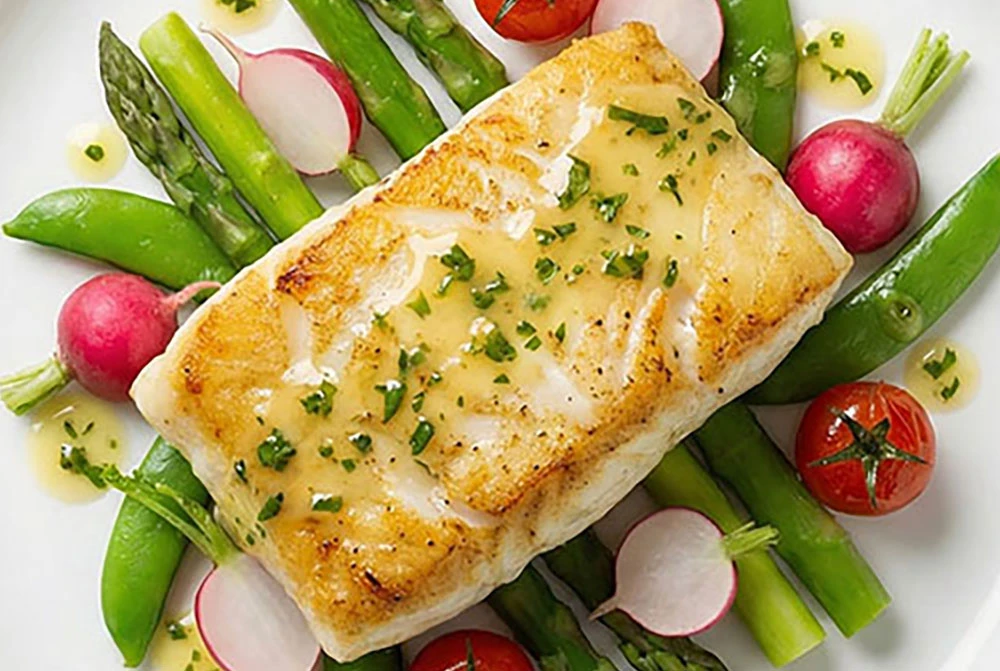
The final presentation is an exercise in elegance and contrast. Begin by arranging a neat mound of the chilled vegetable medley slightly off center on a pristine white ceramic plate. Ensure the vegetables are well drained to prevent any pooling of liquid. Gently place the perfectly seared halibut fillet atop the vegetables, presentation side up. The contrast between the warm fish and the cool vegetables is a sensory delight. Now, artfully drizzle the lemon herb emulsion around the base of the fish and vegetables, allowing it to pool slightly but not obscure the ingredients. A final, precise wipe of the plate’s rim with a clean linen cloth ensures a flawless, professional finish. Serve immediately to preserve the temperature and textural integrity.